

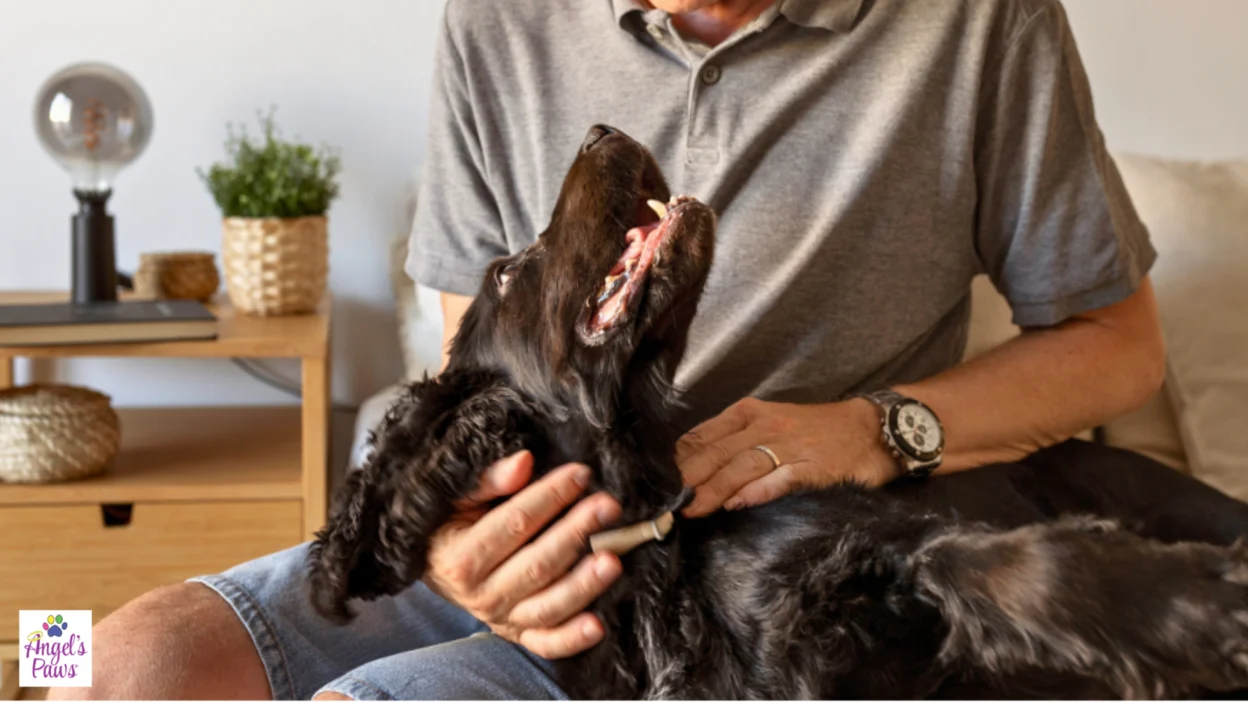
Palliative care focuses on managing symptoms while supporting a dog’s comfort and quality of life. At home, everyday changes can help you understand how well the care plan is working. With palliative care for dogs, monitoring comfort, eating, movement, breathing and interaction provides useful information to share with your veterinary team.
Your Dog Seems More Comfortable
Comfort is one of the clearest areas to monitor during palliative care. Your dog may rest more easily, settle into comfortable positions, tolerate gentle handling better or appear calmer during everyday routines. These changes may indicate that pain and other symptoms are being managed effectively, helping your dog feel more comfortable throughout the day.
Eating, Drinking and Daily Routines Stay Manageable
Appetite, hydration and basic routines provide valuable information about how your dog is coping. Looking at patterns across several days can provide a clearer picture of their overall wellbeing. Important areas to monitor include:
- Eating: Notice whether your dog eats willingly and comfortably.
- Drinking: Watch for significant changes in usual water intake.
- Toileting: Observe how comfortably your dog can toilet.
- Hygiene: Help your dog remain clean and comfortable.
Food and water intake may decrease during the dying process. Discuss significant changes with your veterinarian, who can assess your dog’s individual needs and recommend appropriate care.
Mobility and Breathing Remain Comfortable
Watch how easily your dog stands, walks and changes position throughout the day. Comfortable movement may indicate effective management of pain and stiffness, while calm breathing at rest can reflect physical comfort. Breathing difficulty, sudden weakness or repeated distress requires prompt veterinary attention and may indicate a need to reassess the current care plan.
Your Dog Still Engages With Family and Surroundings
Quality of life includes social and emotional wellbeing alongside physical comfort. Notice whether your dog responds to familiar people, voices, favourite resting places or gentle activities, even when energy levels are lower. Changes in engagement can provide valuable information about wellbeing, especially when you notice patterns over several days.
Track Good Days, Bad Days and Important Changes
Keeping simple daily records can make gradual changes easier to recognise. Note comfort, appetite, breathing, mobility, toileting and engagement, or use a calendar to compare good and difficult days. These observations can give your veterinary team a clearer picture of your dog’s condition. Sharing them during veterinary reviews can also help guide adjustments to ongoing care.
Plan Ahead With Confidence
Planning ahead can make future decisions easier as your dog’s condition changes. Some families discuss aftercare while their pet is receiving palliative support. If you are researching pet cremation in Adelaide learning about available services and arrangements in advance can help you prepare. Exploring these options gives families time to understand their choices and approach future decisions with greater clarity.
Conclusion
Signs that palliative care is helping can include greater comfort, manageable routines, easier movement and continued engagement with familiar surroundings. Looking at several signs together provides a clearer picture of your dog’s wellbeing. Track meaningful changes and share them with your veterinarian. Prompt veterinary advice can help address changes in breathing, pain, eating or mobility. The central goal remains maximising comfort and supporting your dog’s quality of life.