

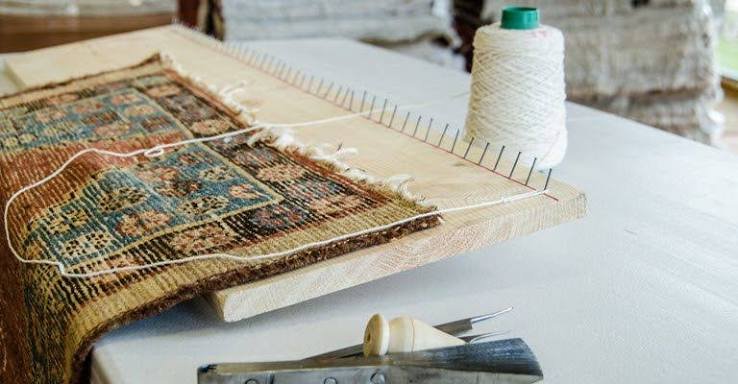
Fringe gives a carpet a finished and distinctive appearance, but these exposed threads can become tangled, stained, loose, or frayed through regular use. Before arranging carpet fringe repair, it is important to understand the type of damage, fiber condition, carpet construction, and treatment required to restore the edges without creating further problems.
Understanding Carpet Fringe Damage
Carpet fringe can experience several forms of wear depending on its material, placement, and exposure. Threads may become separated, shortened, discolored, knotted, or completely detached from the edge. Foot traffic, vacuuming, furniture pressure, moisture, movement, and unsuitable cleaning can all contribute to deterioration.
Identifying the cause and extent of damage is an important first step. A few loose threads may need limited attention, while widespread unraveling can require more detailed restoration. Looking beyond the visible problem also helps determine whether the underlying edge or binding has been affected.
Assessing the Condition Before Repair
An assessment helps establish whether the fringe can be restored, partially replaced, or requires more extensive attention. Several details should be examined before selecting a repair method, especially when the carpet is handcrafted, older, or made from delicate fibers. This can be important for carpets displayed in formal interiors or frequently used spaces.
- Fiber Type
Fringe may be made from natural or synthetic fibers, and each material has different characteristics. Identifying the fiber helps determine suitable handling, cleaning, trimming, and restoration methods without placing unnecessary stress on the threads.
- Degree of Fraying
Minor fraying may be limited to a few threads, while advanced deterioration can affect a larger portion of the edge. The extent of fraying influences the amount of repair required and whether surrounding sections also need inspection.
- Thread Alignment
Fringe should be examined for twisting, tangling, uneven lengths, or crossed threads. Alignment issues can affect the final appearance even when the fibers themselves remain intact and may require careful grooming or repositioning.
- Edge Construction
The connection between the fringe and carpet edge should be checked carefully. If the foundation has weakened, repairing individual threads alone may not provide a stable result. A stronger underlying repair may be necessary.
- Existing Stains
Stains, discoloration, or cleaning residue can affect how repaired fringe looks. Cleaning requirements should therefore be considered alongside physical repair rather than treated as an unrelated concern.
Matching the Repair to the Carpet
A successful repair should complement the original carpet rather than look like a separate addition. Color, thickness, texture, length, and fiber composition can all influence how naturally new or restored fringe blends with the existing edge.
For owners comparing restoration options, a reliable fringe repair company in Dubai should assess the carpet before recommending a specific technique. This allows the repair process to reflect the carpet’s construction and fringe condition instead of relying on a standard treatment.
Matching is particularly important for patterned, handcrafted, or older carpets where small differences can become noticeable. When suitable replacement material is available, it can support a consistent result. Where original fringe can be restored, retaining existing material may help preserve the carpet’s character and visual continuity.
Repair Approaches and Benefits of Timely Restoration
Different problems require different methods, and selecting the correct approach can prevent unnecessary alteration of the carpet. Repair may involve cleaning, separating tangled threads, securing loose sections, replacing damaged fringe, or restoring the connection between the fringe and carpet edge.
The choice depends on the damage and the carpet’s construction. A focused repair can help preserve unaffected sections while addressing only the areas that need attention. This approach is useful when the main carpet remains in good condition, but the exposed fringe has become worn.
When professionals carry out carpet fringe repair, they can also examine nearby areas for related weaknesses. Checking the surrounding edge helps ensure that the restored section is not connected to a larger structural problem. Finishing is also important because uneven lengths or poorly secured threads can make the repair stand out.
Important Factors and Aftercare
Before proceeding with fringe restoration, property owners should consider the carpet’s condition, the extent of damage, and the expected result. Understanding these points makes it easier to select a suitable repair approach and protect the carpet during subsequent use.
- Type and condition of fringe fibers
- Extent of fraying, loosening, or breakage
- Color, length, and texture of existing fringe
- Strength of the carpet’s edge and backing
- Cleaning or stain treatment required before repair
These factors provide a useful basis for discussing restoration with a professional. After repair, careful maintenance is equally important because repeated pulling, rough brushing, excessive moisture, or unsuitable vacuuming can place stress on restored threads.
Choosing Professional Fringe Repair Support
Selecting a repair provider requires more than looking for the lowest-cost service. Experience with carpet materials, attention to detail, appropriate repair techniques, and careful handling are important considerations when delicate or valuable rugs are involved.
A suitable provider should inspect the fringe, explain the condition clearly, and recommend a treatment that matches the carpet’s needs. It is also useful to consider whether the provider can address related cleaning or restoration requirements when necessary.
Professional attention can be especially valuable when fringe is extensively frayed, detached, discolored, or uneven. A careful assessment helps determine whether localized restoration is practical and supports a finish that complements the carpet instead of drawing attention to the repaired area.
Conclusion
Damaged fringe can affect both the appearance and finishing detail of a carpet, but careful assessment can make restoration more effective. Understanding fiber type, damage severity, edge construction, color matching, and post-repair care helps property owners make informed decisions and protect the carpet’s original character.
For those seeking fringes repair company in Dubai, Moon Light Carpet Washing LLC offers attentive carpet care with a focus on detailed workmanship and appropriate restoration techniques. The company can help address worn, loose, or damaged fringe while supporting a neat, balanced, and well-maintained appearance.