

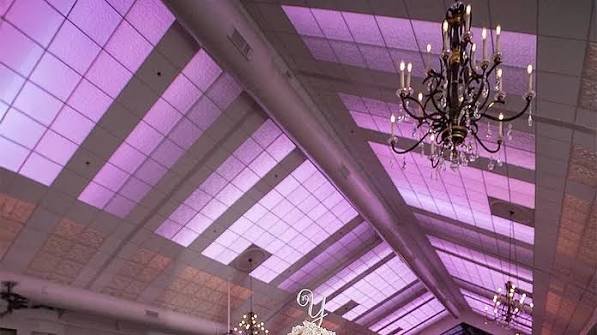
Lighting plays an important role in shaping healthcare and office environments. Poorly lit interiors can feel uncomfortable, particularly in areas with limited access to daylight. Luminous ceiling panels provide soft, evenly distributed illumination while mimicking natural light. These systems can improve visual comfort, enhance interior design, and make enclosed spaces feel more welcoming.
How Do Luminous Ceilings Improve Interior Design?
Illuminated ceiling systems use light sources, typically LEDs, behind translucent surfaces to create uniform illumination. Some designs feature sky imagery or skylight-like effects, making them suitable for rooms without windows. Unlike conventional fixtures that illuminate specific areas, these systems spread light across larger ceiling surfaces. They can serve as decorative features while supporting general lighting requirements.
What Benefits Do They Offer in Healthcare Interiors?
Healthcare facilities need lighting that supports clinical activities while maintaining a comfortable atmosphere for patients and visitors. Illuminated ceilings can improve the appearance of waiting rooms, corridors, and patient areas.
Their main benefits include:
- Patient Comfort: Soft, diffused lighting can make clinical environments feel less intimidating and more welcoming.
- Visual Comfort: Properly designed, evenly distributed illumination can reduce harsh brightness contrasts.
- Adjustable Lighting: Compatible dimming controls let you adjust brightness to room requirements.
- Improved Ambiance: Sky-inspired ceiling designs can make enclosed waiting areas and corridors feel more spacious.
These features can complement healthcare lighting plans, although examination rooms and treatment areas must still meet applicable clinical lighting standards.
What Benefits Do They Offer in Office Interiors?
Office lighting should support everyday tasks without creating excessive glare or uneven brightness. Illuminated ceilings can provide functional lighting while improving workspace appearance.
Key advantages include:
- Consistent Illumination: Large illuminated surfaces can distribute light more evenly across work areas.
- Glare Management: Properly positioned, diffused lighting can minimize direct glare at workstations.
- Flexible Brightness: Dimmable systems let you adjust lighting for meetings, presentations, and individual tasks.
- Architectural Appeal: Illuminated ceiling designs can enhance reception areas, conference rooms, and collaborative spaces.
These benefits work best when ceiling illumination is coordinated with task lighting, screen placement, and available daylight.
What Should Designers Consider Before Installation?
Choosing luminous ceiling panels involves more than selecting an attractive design. Technical requirements determine how effectively the system performs over time.
Important considerations include:
- Lighting Requirements: Match light output to the room’s size and activities.
- Color Temperature: Choose suitable light tones for clinical and professional environments.
- Dimming Controls: Check compatibility with the building’s lighting management system.
- Installation Space: Assess ceiling depth, structural support, and electrical connections.
- Maintenance Access: Ensure drivers and lighting components remain accessible for servicing.
- Energy Efficiency: Compare LED efficiency, operating schedules, and available lighting controls.
Evaluating these factors early helps designers achieve reliable illumination without compromising the ceiling’s appearance.
Conclusion
Illuminated ceiling systems offer practical and aesthetic benefits for healthcare and office interiors. In hospitals, they can create more welcoming patient areas, while offices can benefit from consistent lighting and flexible controls. However, successful installations require careful consideration of brightness, glare, energy consumption, and maintenance. By balancing these requirements with architectural design, illuminated ceilings can improve indoor environments where natural daylight is limited.