
A perfect wallet can still miss a sale thanks to its box. It can arrive dented, sit on a shelf with dozens of others, or just feel worth a lot less than the price on the tag. Thankfully, wallet packaging adheres to a handful of simple rules that you can get right to make your box stand up to any retailer or e-commerce outlet.
Size the Box to the Wallet, Not the Opposite
For most damage begins with a bad fit. If the box is loose, it moves and rubs. If it’s a tight fit, the lid presses into the leather, leaving marks.
Take a measurement of the thickest part of the wallet with the cards in, so that the customer will see it that way. Add 3-5mm of room on each side. These pockets hold the wallet in place when sitting.
A typical bifold wallet should easily fit inside a box roughly 4.5 x 3.5 x 1 inches, while a slim cardholder would be much smaller. Check against your actual product, which may differ in stitchwork and edge thickness by maker.
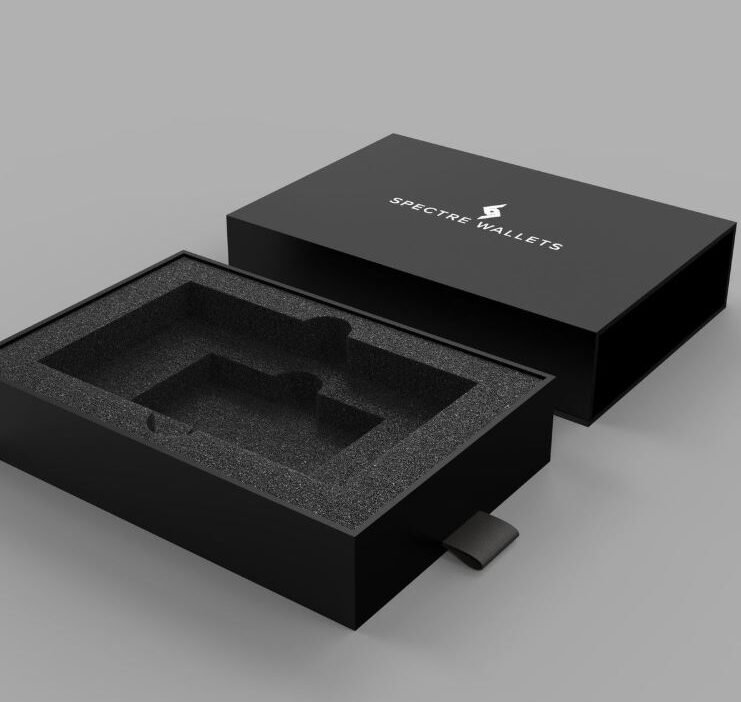
Secure the Wallet in Position Using a Correct Insert
Tissue paper encases an item but doesn’t support it; a fitted insert does.
- Paperboard inserts are lightweight, recyclable, and suitable for mid-range wallets.
- Best: EVA foam corner protection is more expensive or heavier than other items. EVA foam is a much more substantial and heavier form of protection.
- Fabric-wrapped board creates a soft, high-quality look inside the box.
- Elastic bands or ribbon loops hold the wallet together without any glue.
Leather readily attracts fibers and dirt. Inexpensive inserts or labels can leave marks on dark wallets, so be sure to remove them before inserting the wallet into the bag. Remove any metal buttons or logo plates to prevent them from scratching the leather.
Use a Two-Layer Setup for Shipping
- A rigid or paperboard gift box is designed to be looked at and handled, not tossed through a sorting plant. For online purchases, split the job in half.
- Your brand, inside the box. That moment you open it!
- The outer mailer or corrugated carton absorbs the shipping impact.
Choose an outer carton just large enough for the gift box, and pack the rest of the space with kraft paper or a small air pillow. Test pack one parcel, and drop it from a height of about 3 feet onto a hard floor. If there are dents in the inner box, switch to a more protective layer.
Match the Box to the Price on the Tag
Customers feel the box before they feel the leather. Poor packaging can turn a $120 wallet into a $40 product.
As a rough guide:
A durable folding carton is sufficient.
- $30 to $80: If you want a two-piece lid box with a smooth finish.
- $80 and over: Reinforced box with a fitted insert shows quality.
- Finish counts as much as the content. Soft-touch lamination, textured paper, and a heavy lid signal quality at a bargain basement price. Don’t put too much into the artwork. A single logo and one or two colors look more luxurious than a complicated design.
Design the Front Panel for the Shelf
In a store, your box has dozens of counterparts. Customers make their choices in seconds. The front panel needs to perform a single function: communicate the product type and reinforce the brand.
- Create a window cut-out or a display sample so that customers can see the color and material.
- Select a face that is on your items if they are stackable and face front so the label is visible.
- Finish with a finish you want to touch. Someone who touches the box is almost a buyer.
- Leather options, RFID technology, and measurements could be on the side or the back.
- Retail boxes are also repeatedly scuffed. Select a board and coating that is resistant to scuffing since a damaged or marked box detracts from your product over time.
Set Up Packaging That Reduces Returns
A good portion of online returns results from an expectation gap or a broken initial experience.
- Attach a brief care card that identifies the leather type and provides cleaning instructions.
- Use an insert that allows the wallet to be removed without digging or tearing.
- Choose a box that closes securely so the customer can use the box to send the wallet back if required.
- Re-evaluate your return reasons. If “arrived damaged” is common, reinforce the outer carton and insert it prior to changing the wallet.
Trim Dimensions to Lower Shipping Costs
With Carriers charging based on the package’s weight and size, each additional inch can quickly add up across thousands of orders.
A wallet that is half an inch thick does not have to go in a box that is two inches deep. Cut down on excess space, try a thinner mailer, and find out if it bumps you into a less expensive rate class. Choose a lower-weight outer carton and retain the heavy rigid board only in the layer that customers will handle. Ask for shipping estimates for two or three sizes before you buy a bunch, since a 1- or 2-inch difference in dimensions can make a difference in cost.
When Wallet Rigid Packaging is Worth the Cost
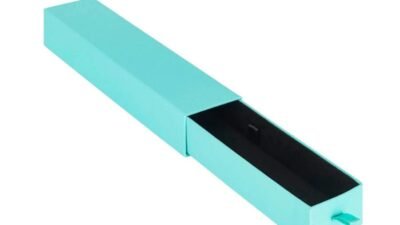
Rigid boxes are constructed from thick greyboard covered with printed paper, which adds weight and rigidity compared to flimsy cartons. Personalized wallet rigid packaging features your brand, custom sizing and branding, combined with your inner layout to give the box the perfect fit and flow.
It is a strong fit when:
Your wallets are positioned in the middle to high-end price range.
For example, you offered gift sets, like a wallet and cardholder or a belt.
- Sales are driven by unboxing videos and headlines.
- You would like your customers to save and repurpose the container.
It’s not as good where margins are tight, where the majority of orders are cheap, bulk shipments, or where your product design is still evolving. If in doubt, have a small batch made of your best-selling wallet and store a more basic carton for the other products.
Some of the customizations you might consider include: custom internal dimensions, Foil-stamped or embossed logos, soft-touch coatings, printed interiors, and fitted inserts.
Final Words
The specifications never tell the whole story of how a box feels or performs.
- A quick test session can save you hundreds of dollars.
- Request samples from at least two suppliers.
- Put your actual wallet in the bag and see if it fits.
- Shake the box, stack it, and perform a drop test on a shipped parcel.
- Inspect corners and edges for clean wrapping.
- Request a color proof if you need the brand color to be exact.
Place an order for a small initial shipment and go from there once it’s demonstrated.
If you want to compare suppliers, identify those that offer custom sizing and inserts. Some brands that require custom sizing or branded finishes in one order tend to sample with The Premier Packaging before committing to production.