

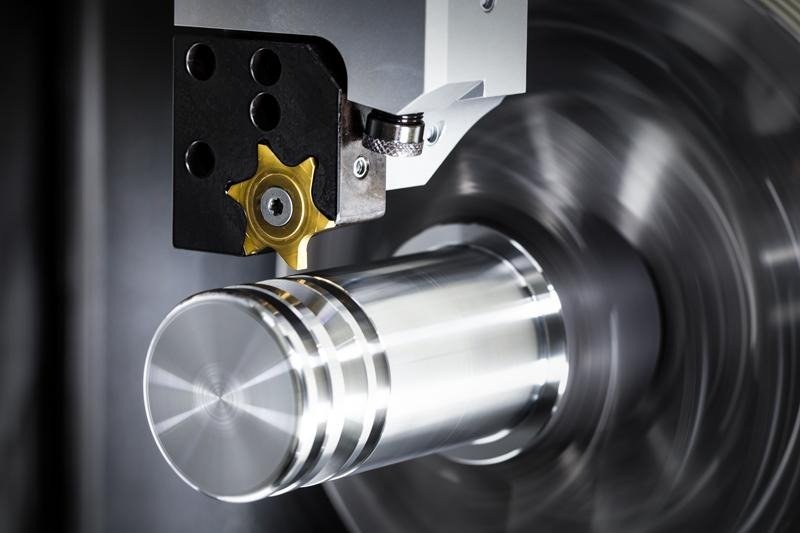
Manufacturing precision is built through a combination of suitable equipment, careful process control, and dependable tooling. Whether a business produces transmission components or threaded fasteners, the tools used during production and inspection have a direct influence on the quality of the finished product.
Helical master gears and flat thread rolling dies serve different purposes, yet both support important manufacturing requirements. One helps assess gear performance during inspection, while the other forms accurate threads through controlled pressure. Understanding their functions can help manufacturers choose tooling that meets their production needs.
Why Precision Matters in Industrial Manufacturing
Industrial components must meet defined dimensional and performance requirements to function reliably. Small variations in geometry can affect assembly, movement, load distribution, and the overall performance of a mechanical system.
Suitable tooling helps manufacturers maintain consistency across production batches. It also supports quality control by making it easier to identify deviations and correct process issues before they affect more components.
For this reason, tooling selection should be based on the intended application, required tolerances, material properties, and available machinery.
Understanding Helical Master Gears
Helical gears have teeth cut at an angle to the gear axis. This design allows the teeth to engage progressively, which can provide smoother operation than some comparable straight tooth arrangements.
A helical master gear is a precision reference component used in suitable gear inspection procedures. It helps manufacturers evaluate meshing behaviour and assess aspects of gear accuracy against established requirements.
The reference gear must have appropriate geometry and accuracy for the inspection task. Its condition is also important because wear or damage may influence measurement results.
Choosing Helical Master Gear Manufacturers
When evaluating , buyers should begin by identifying the exact specifications required for their inspection process. Important details may include module, pressure angle, helix angle, tooth count, dimensions, and the required accuracy grade.
Manufacturers should also consider material quality, manufacturing methods, and inspection practices. Precision reference gears need consistent geometry so that they can provide meaningful results during quality assessment.
Clear technical documentation can help buyers confirm whether a product suits their application. Discussing inspection requirements before placing an order can also prevent confusion over specifications.
Factors That Influence Master Gear Performance
Several practical considerations determine whether a master gear remains suitable for its intended use.
Accuracy and Geometry
The gear must match the required design parameters and tolerances. Accurate tooth geometry supports dependable inspection.
Material Selection
The material should provide appropriate dimensional stability and resistance to wear under normal handling and inspection conditions.
Surface Condition
Precision surfaces should remain free from damage and contamination that could affect contact between mating teeth.
Storage and Maintenance
Careful handling and suitable storage help protect the reference gear. Periodic verification can identify changes that may influence its performance.
These measures help manufacturers maintain confidence in their inspection procedures.
How Flat Thread Rolling Dies Work
Thread rolling is a forming process in which pressure reshapes a workpiece to create an external thread. Unlike conventional thread cutting, it does not remove material to form the thread profile.
Flat thread rolling dies are used in machines where the workpiece moves between two dies. The dies contain the required thread profile and progressively form the material as the workpiece travels through the rolling area.
This process is widely used for producing threaded fasteners and other components in applications where repeatability and production efficiency are important.
The final result depends on several factors, including die geometry, workpiece material, machine setup, and operating conditions.
What to Look for in Flat Thread Rolling Die Manufacturers
Selecting dependable requires a clear understanding of the component and the production process. The dies must match the thread specifications and work effectively with the intended machine.
Manufacturers should assess the following factors:
- Required thread pitch, profile, and dimensions
- Workpiece material and its forming characteristics
- Die material and expected resistance to wear
- Machine compatibility and alignment requirements
- Production volume and expected tool life
- Inspection procedures for finished threads
Discussing these points with a tooling supplier can help identify a suitable product and reduce the risk of avoidable production problems.
Maintaining Thread Quality During Production
Thread rolling dies experience repeated contact and pressure during operation. Over time, wear or damage can influence thread dimensions and surface quality.
Routine inspection helps operators identify changes before they lead to inconsistent output. Correct installation, appropriate machine settings, and maintenance based on operating conditions also support reliable performance.
Manufacturers should establish clear quality checks for finished threads. These may include dimensional verification and other inspections appropriate to the component’s design and application.
Consistent monitoring helps maintain production standards and makes it easier to investigate defects when they occur.
Connecting Tool Quality With Production Efficiency
Tool quality affects more than the appearance of a finished component. It can influence process stability, inspection reliability, maintenance schedules, and the amount of rework required.
A suitable helical master gear supports the evaluation of gear quality, while properly selected rolling dies help maintain thread consistency. Both tools contribute to a production system in which accuracy and repeatability are important.
Businesses should consider the complete manufacturing requirement instead of focusing on purchase price alone. Tool durability, technical suitability, and the availability of clear product information are all relevant to a sound purchasing decision.
A Practical Approach to Tool Selection
Before ordering precision tooling, manufacturers can follow a straightforward evaluation process.
- Define the component specifications and quality requirements.
- Confirm the required dimensions and tolerances.
- Check compatibility with existing equipment.
- Evaluate material properties and expected operating conditions.
- Review inspection and maintenance requirements.
- Discuss technical details with the supplier.
- Confirm the product specifications before placing the order.
This approach helps buyers make decisions based on actual production needs and supports better quality planning.
Conclusion
Reliable manufacturing depends on the accuracy of both production tools and inspection equipment. Helical master gears help assess gear meshing and dimensional performance, while flat thread rolling dies form external threads through controlled material deformation.
Working with experienced helical master gear manufacturers can help businesses identify reference gears suited to their inspection requirements. Similarly, evaluating flat thread rolling dies manufacturers carefully can support the selection of tooling that matches the intended thread design and production process.
By focusing on specifications, material quality, equipment compatibility, and regular inspection, manufacturers can improve process consistency and maintain dependable component quality.