

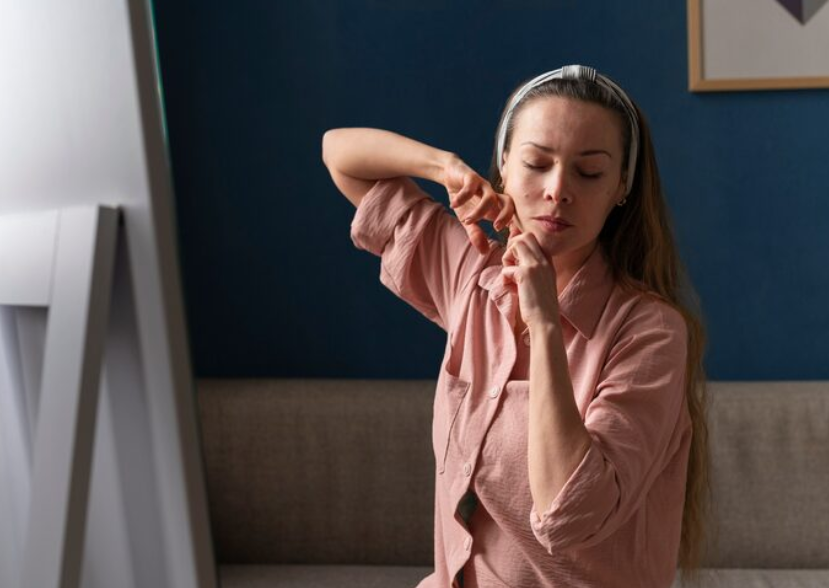
Breathing is one of the simplest and most accessible ways to support relaxation, improve mindfulness, and manage everyday stress. Although breathing happens automatically, paying attention to each inhale and exhale can help create a sense of balance during busy or overwhelming moments. With the help of a breathe in breathe out timer, people can develop a consistent breathing routine that encourages relaxation and makes mindfulness easier to practice.
Modern lifestyles often involve demanding schedules, constant notifications, work responsibilities, and personal commitments. These everyday pressures can make it difficult to slow down and focus on the present moment. A structured breathing exercise offers an opportunity to pause, relax, and reconnect with the body. Whether someone is preparing for an important meeting, taking a break during work, or getting ready for sleep, guided breathing can become a valuable part of a daily wellness routine.
Understanding the Benefits of Guided Breathing
Guided breathing involves following a specific rhythm when inhaling and exhaling. Instead of breathing without awareness, individuals intentionally focus on the length and pace of each breath. This practice can encourage mindfulness and help people become more aware of their physical and emotional responses.
A breathing timer makes this process easier by providing a visual or audio signal for each breathing phase. Users do not have to count every second or constantly check the clock. They can simply follow the instructions and concentrate on breathing comfortably.
Regular breathing exercises may support relaxation, improve concentration, and help individuals develop better responses to stressful situations. Even a few minutes of mindful breathing can provide a useful opportunity to step away from distractions and regain focus.
Why Use a Breathe In Breathe Out Timer?
Maintaining a consistent breathing rhythm can be challenging without guidance, especially for beginners. A breathe in breathe out timer provides structure by indicating when to inhale, when to exhale, and when to pause if the selected exercise includes a holding phase.
For example, someone might practice inhaling gently for four seconds and exhaling for six seconds. Another person may prefer equal inhalation and exhalation periods. The ideal rhythm depends on individual comfort, experience, and personal preferences.
A timer can offer several practical advantages:
Consistent breathing patterns: Following a defined rhythm makes it easier to maintain a steady breathing exercise.
Reduced distractions: Visual prompts eliminate the need to count seconds independently.
Convenient practice: Users can complete short sessions at home, at work, or while traveling.
Beginner-friendly guidance: Simple instructions make breathing exercises accessible to people with little mindfulness experience.
Daily habit development: Scheduled sessions can encourage individuals to include relaxation in their everyday routines.
The goal is not to force the body into a particular breathing pattern. Instead, the timer should provide gentle guidance while allowing users to remain comfortable.
How Breathing Exercises Can Support Anxiety Management
Stress and anxiety can affect both the mind and body. People may experience racing thoughts, muscle tension, restlessness, or difficulty concentrating. During these moments, taking a deliberate breathing break can provide a simple way to redirect attention.
A calming anxiety breathing timer can make relaxation exercises easier by guiding users through predictable breathing intervals. Rather than worrying about how long to inhale or exhale, individuals can focus on following the rhythm.
Slow, comfortable breathing may help support the body’s relaxation response. It can also encourage individuals to become more aware of physical sensations and recognize when they need a moment to pause.
Breathing exercises are not a replacement for professional mental health care, particularly when anxiety is persistent or significantly affects daily activities. However, they can serve as a helpful complementary wellness practice.
Different Breathing Techniques to Explore
There are several breathing methods that individuals can explore depending on their comfort level and relaxation goals.
1. Equal Breathing
Equal breathing involves inhaling and exhaling for approximately the same amount of time. For example, users can inhale for four seconds and exhale for four seconds. This simple method is suitable for beginners who want to establish a comfortable breathing rhythm.
2. Extended Exhalation
This technique involves making the exhale slightly longer than the inhale. For example, someone might inhale for four seconds and exhale for six seconds. The extended exhalation encourages a slower breathing pattern and can be useful during relaxation sessions.
3. Box Breathing
Box breathing uses four equal phases: inhaling, holding the breath, exhaling, and holding again. Each phase may last four seconds, depending on personal comfort. Individuals who find breath-holding uncomfortable can choose another technique without holding their breath.
4. Gentle Diaphragmatic Breathing
Diaphragmatic breathing focuses on using the diaphragm rather than taking shallow breaths from the upper chest. Users can place one hand on their abdomen and notice its gentle movement while breathing naturally. This technique can help develop greater awareness of breathing habits.
Making Breathing Exercises Part of Your Daily Routine
Consistency is often more valuable than completing long sessions occasionally. Starting with two or three minutes of mindful breathing can make the practice feel manageable. As individuals become comfortable, they may gradually increase their session length.
Morning breathing exercises can provide a peaceful start to the day. Before beginning work, a short session can help create a transition between personal time and professional responsibilities.
During the afternoon, breathing breaks can offer an opportunity to step away from screens and everyday distractions. A few minutes of guided breathing may help individuals return to their tasks with renewed attention.
Evening sessions can also become part of a relaxing bedtime routine. Practicing comfortable breathing in a quiet environment may help individuals slow down before going to sleep.
A calming anxiety breathing timer can be particularly useful for maintaining these routines because it provides a consistent structure without requiring complicated instructions.
Features to Look for in a Breathing Timer
Not every breathing timer offers the same experience. Choosing a simple and convenient tool can make regular practice easier.
Useful features include adjustable inhale and exhale durations, customizable session lengths, clear visual indicators, and optional sound signals. Some users prefer animated breathing guides, while others find simple countdown displays more comfortable.
An effective breathe in breathe out timer should be easy to understand and operate. Complicated settings can make relaxation feel like another task, so a straightforward interface is often preferable.
Customization is another important consideration. Beginners may want shorter sessions with gentle breathing intervals, while experienced users may prefer longer exercises or different breathing patterns.
The ability to practice without unnecessary notifications or interruptions can also improve the overall experience.
Creating a Comfortable Environment for Breathing Practice
The environment can influence how comfortable a breathing session feels. Choosing a quiet location, sitting in a relaxed position, and reducing unnecessary distractions can help individuals concentrate.
There is no requirement to sit in a particular position. A comfortable chair, a quiet room, or a peaceful outdoor location can all work well.
Users should avoid forcing deep breaths or holding their breath longer than feels comfortable. If dizziness, discomfort, or increased anxiety occurs, returning to normal breathing is the best approach.
The purpose of guided breathing is to encourage relaxation, not create additional pressure.
Conclusion
Mindful breathing is a practical wellness habit that can fit into almost any lifestyle. By focusing on inhalation and exhalation, individuals can create small moments of relaxation throughout their day and become more aware of their breathing patterns.
A breathe in breathe out timer provides simple guidance for maintaining consistent breathing intervals, while a calming anxiety breathing timer can make relaxation exercises more approachable during stressful moments. Together, these tools can support a convenient and structured mindfulness routine.
Whether practiced in the morning, during a busy workday, or before bedtime, guided breathing offers an accessible opportunity to slow down and focus on the present moment. Starting with just a few comfortable minutes each day can help establish a sustainable habit that supports relaxation, mindfulness, and everyday well-being.