

Writing a book is a meaningful achievement that allows individuals to share their knowledge, experiences, creativity, and ideas with the world. Whether someone wants to publish a novel, create an educational resource, document personal experiences, or establish authority in a professional field, producing a quality book requires careful planning and attention to detail. From developing the initial concept to preparing the finished publication, every stage contributes to the overall reading experience. Professional writing and publishing support can make this journey easier, helping authors transform their ideas into polished books that readers can enjoy.
Turning Ideas into Engaging Books
Every successful book begins with an idea. However, turning that idea into a complete manuscript requires organization, research, creativity, and consistent effort. Authors often have valuable information to share but may struggle with structuring chapters, developing compelling narratives, or maintaining a consistent writing style.
A professional Book writing service can help bridge this gap by providing guidance throughout the manuscript development process. Writers can work with experienced professionals who understand storytelling, content organization, audience expectations, and effective communication. This support can be particularly useful for first-time authors who need assistance transforming scattered thoughts into a structured and engaging manuscript.
The writing process generally begins with understanding the author’s vision. This includes identifying the intended audience, defining the book’s purpose, selecting an appropriate tone, and outlining the major topics or chapters. Having a clear direction makes it easier to maintain consistency and ensures that the finished manuscript communicates its intended message.
Why Quality Writing Matters
Readers expect books to provide valuable information, enjoyable storytelling, or meaningful perspectives. Poor organization, repetitive content, grammatical mistakes, and unclear explanations can make even an interesting subject difficult to follow.
Quality writing focuses on clarity, flow, and reader engagement. Each chapter should contribute something meaningful to the overall book while maintaining a natural connection with the sections that come before and after it. Strong introductions encourage readers to continue, while well-developed chapters provide information in an accessible and memorable way.
A reliable Book writing service can assist with outlining, drafting, editing, and refining content. Professional support also helps authors maintain their individual voice while improving sentence structure, readability, and overall presentation.
For nonfiction projects, accuracy and logical organization are especially important. Authors may need to explain complex concepts, present research, or share professional knowledge. For fiction, character development, dialogue, pacing, and plot structure play a major role in creating an enjoyable experience. Understanding these differences helps ensure that every book receives the attention its particular genre requires.
Editing and Refining the Manuscript
Completing the first draft is an important milestone, but it does not mean the manuscript is ready for publication. Editing is an essential stage that improves the quality and professionalism of the final work.
Developmental editing focuses on larger elements such as structure, chapter organization, storytelling, and content flow. Copyediting addresses grammar, punctuation, sentence construction, and consistency. Proofreading provides a final review to identify remaining spelling, formatting, and typographical errors.
Taking time to refine a manuscript helps create a more professional reading experience. It also allows authors to identify unnecessary repetition, strengthen important arguments, and improve sections that may be confusing to readers.
Authors should also consider feedback from trusted readers or professional reviewers. Fresh perspectives can reveal weaknesses that may be difficult to recognize after spending months working on the same material.
Preparing a Book for Professional Printing
Once the manuscript has been completed and edited, the next step is preparing it for publication. This stage involves several important decisions, including page size, paper quality, binding style, cover design, and interior formatting.
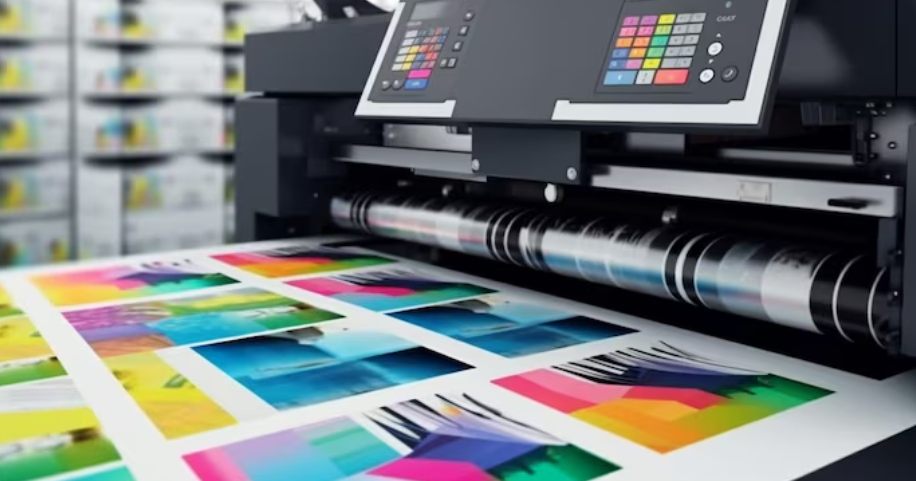
Professional Book Printing helps transform a digital manuscript into a physical publication that readers can hold, display, purchase, or share. Printed books offer a traditional reading experience that many people continue to appreciate, particularly when it comes to novels, educational materials, journals, cookbooks, and personal collections.
The printing process begins with preparing the interior layout. Margins, font sizes, line spacing, chapter headings, page numbers, and other formatting elements must be arranged carefully. Consistent formatting makes the book easier to read and gives it a polished appearance.
Cover design is equally important. The cover is often the first feature potential readers notice, so it should reflect the subject, genre, and personality of the book. An attractive title, suitable imagery, balanced typography, and professional design can help create a memorable first impression.
Choosing the Right Paper and Binding
Paper selection influences both the appearance and durability of a printed book. Different publications require different paper characteristics depending on their content and intended use.
For example, novels commonly use lightweight paper that makes longer books comfortable to hold. Photography books and illustrated publications may benefit from heavier paper that reproduces images more effectively. Educational materials may require durable pages that can withstand frequent handling.
Binding is another important consideration. Paperback books are often selected for their affordability, flexibility, and convenient handling. Hardcover editions provide a more substantial appearance and can be suitable for premium publications, gifts, and collectible editions.
The right printing specifications depend on the author’s budget, audience, and publishing goals. Considering these factors early helps prevent unnecessary expenses and ensures that the finished book meets expectations.
Combining Writing and Printing for Better Results
Writing and printing are closely connected stages of the publishing journey. A well-written manuscript deserves professional presentation, while attractive printing cannot compensate for poorly organized content. Both elements must work together to create a successful publication.
Working with a coordinated Book writing service and Book Printing provider can make the publishing process more manageable. Authors can focus on their ideas while receiving assistance with manuscript preparation, formatting, design, and production.
Communication is particularly important throughout this process. Authors should review drafts, approve design concepts, confirm printing specifications, and request necessary revisions before final production. Maintaining involvement ensures that the finished publication reflects their original vision.
A printed proof is also valuable because it allows authors to inspect the book in physical form before approving a larger production run. This provides an opportunity to identify formatting issues, check image placement, and evaluate the overall appearance.
Creating Books for Different Audiences
Books serve many purposes, and each publication should be developed with its intended audience in mind. Business professionals may publish books to share industry knowledge, strengthen their credibility, or communicate practical advice. Educators may create instructional resources that support learning and professional development.
Aspiring authors may choose fiction to entertain readers through imaginative stories, memorable characters, and engaging plots. Others may write biographies, memoirs, or personal development books to share experiences and inspire positive change.
Understanding the audience helps determine the writing style, content depth, book length, design, and printing format. A children’s book, for instance, may require colorful illustrations and accessible language, while a professional reference guide may prioritize organized information and a clean layout.
Making Your Publishing Journey Successful
Publishing a book requires more than simply writing and printing its pages. Authors should establish realistic timelines, organize their materials, review expenses, and understand the steps involved in preparing a publication.
Planning also makes it easier to manage revisions and production decisions. Keeping chapter drafts, images, research materials, and design files organized can save time throughout the process. Authors should also consider how their finished books will reach readers, whether through personal distribution, bookstores, online marketplaces, educational institutions, or professional networks.
The publishing journey can feel challenging, particularly for individuals creating their first book. However, the right professional support, careful preparation, and attention to quality can turn an ambitious idea into a rewarding achievement.
Conclusion
Creating a successful book involves creativity, dedication, careful editing, and professional presentation. From developing an original concept to producing a beautifully finished publication, every stage contributes to the final result. A dependable Book writing service can help authors organize their ideas, develop engaging manuscripts, and improve the quality of their content. Meanwhile, professional Book Printing ensures that the completed work is presented in an attractive and durable physical format.
Whether publishing a novel, sharing professional expertise, creating educational material, or documenting personal experiences, authors deserve a finished product that reflects their effort and vision. With thoughtful planning and attention to detail, an idea can become a professionally prepared book that informs, entertains, inspires, and leaves a lasting impression on its readers.