

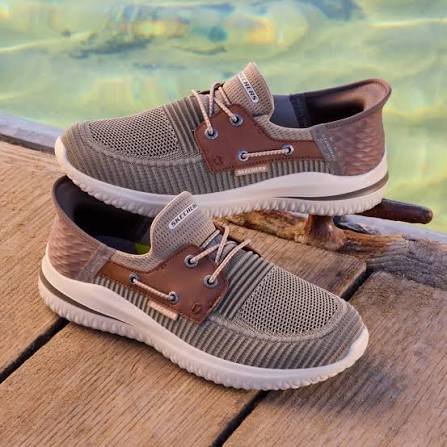
Spending long hours standing or walking makes footwear choice particularly important. Comfortable ankle boots should provide enough room for the feet while offering cushioning, stability and a secure fit. Features such as an appropriate toe box, supportive sole and stable heel can contribute to everyday comfort. Whether you wear boots for work, commuting, or daily activities, choosing a pair suited to your foot shape and routine can make extended wear more comfortable.
Why Does Comfort Matter During Long Days?
Extended periods of standing and walking place repeated pressure on the feet. Well-fitting boots can provide cushioning and stability while letting your feet sit comfortably inside the footwear.
Several features are worth considering when comparing ankle boots:
- Cushioned Footbed: Provides cushioning during extended periods of walking or standing.
- Stable Sole: Offers support and suitable grip for everyday movement.
- Secure Heel: Helps keep your foot comfortably in place while walking.
- Smooth Lining: Creates a comfortable surface around the foot and ankle.
- Roomy Toe Box: Provides sufficient space for comfortable toe movement.
Together, these features can help create ankle boots suited to regular wear during busy days.
How Can You Choose the Right Fit?
A suitable fit considers length, width and depth. Your toes should have room to move comfortably, while the heel should remain secure as you walk. Around 1 cm of space between the longest toe and the end of the footwear is commonly recommended.
Wide fit shoes can provide extra room across the forefoot when they match your foot shape. The widest part of the foot should sit comfortably within the widest part of the boot while the heel remains secure.
Trying boots with your usual socks can provide a more realistic assessment of fit. Shopping later in the day can also help because feet may swell in the afternoon or evening.
Which Features Make Ankle Boots Suitable for Extended Wear?
Ankle boot construction can affect comfort during regular standing and walking. Features should suit both your feet and your typical daily activities.
Practical details to consider include:
- Adjustable Fastening: Laces, straps or similar fastenings can provide a secure fit.
- Broad Heel: A low, broad heel can offer greater stability during everyday movement.
- Supportive Sole: Choose sufficient cushioning alongside appropriate stability.
- Suitable Upper: Soft, breathable materials can provide comfortable everyday wear.
- Adequate Width: Select a width that comfortably accommodates the forefoot.
Considering these elements together can help you choose comfortable ankle boots suited to extended daily wear.
How Can You Assess Comfort Before Buying?
Walk around while trying on the boots and pay attention to the heel, toes and forefoot. A secure fastening should hold the foot comfortably while still allowing sufficient toe space. Footwear sizes can vary between manufacturers, making the actual fit more important than the size printed on the label. Measuring both feet periodically can also help when selecting new footwear.
Conclusion
Choosing ankle boots for long days requires careful attention to fit, cushioning, stability and width. Look for adequate toe space, a secure heel, supportive soles, and fastenings that hold your foot comfortably. Wide fit shoes can provide extra forefoot room when they suit your foot shape. Trying boots with your usual socks and walking in them before buying can also help you assess whether they provide comfortable support for everyday activities.