
Figuring out how to ship perfume without running into carrier penalties or destroyed packages is one of the biggest hurdles for growing fragrance brands. Spritzing a signature scent on a blotter strip is simple, but moving glass bottles filled with alcohol-based liquids across borders feels like walking a tightrope. Fragrance formulations contain ethyl alcohol, which classifies them as Class 3 flammable liquids under US Department of Transportation (US DOT) and International Air Transport Association (IATA) rules. If your store sends orders through standard postal channels without proper hazardous material declarations, you risk heavy fines, account suspensions, and unhappy customers.
We know the frustration of watching a promising scent launch stall because of shipping delays. You spend months perfecting your top notes, sourcing glass bottles, and running targeted marketing campaigns. Yet, a single carrier rejection at a sorting hub can wipe out your profit margins and damage your reputation. Balancing customer expectations for fast delivery with dangerous goods regulations isn’t easy, but setting up a compliant logistics process fixes these friction points permanently.
Why Is Learning How to Ship Perfume So Complex?
Learning how to ship perfume is complex because ethyl alcohol makes most fragrances Class 3 flammable liquids, triggering strict federal dangerous goods regulations. When a parcel travels by air or truck, ambient heat and pressure changes can cause liquid expansion or vapor ignition. Federal authorities require specific outer markings, safety data sheets, and hazardous material training for anyone packing these goods.
When you figure out how to ship perfume in full accordance with hazardous material codes, you protect your business against costly customs seizures. Every shipment must carry the correct UN 1266 identification numbers, orientation arrows, and limited quantity markings. Carriers like FedEx, UPS, and DHL mandate dangerous goods agreements before accepting flammable liquids. Without these contracts in place, your packages will be flagged at screening facilities and returned at your expense.
How Can Brands Cross-Sell Perfume With Leather Goods and Apparel?
You can safely cross-sell perfume with leather goods and apparel by isolating the fragrance in leak-proof secondary packaging before placing it inside the main shipping box. Many USA-based lifestyle brands expand their catalogs by offering signature scents alongside premium leather jackets, handbags, or cotton apparel. This creates a high-ticket unboxing experience, but it also introduces a massive contamination risk.
If a glass atomizer breaks during transit, the high-concentration alcohol will permanently stain leather goods and ruin expensive apparel. To prevent this, pack the fragrance bottle in a rigid, sealed plastic container filled with absorbent material. Place this isolated unit at the center of the box, wrapping the leather goods and apparel around it to act as an extra layer of shock absorption. This strategy protects your high-margin clothing items from liquid damage while keeping your fulfilment process efficient.
What Packaging Rules Prevent Fragrance Bottle Leakage and Damage?
Proper fragrance packaging requires leak-proof inner receptacles, absorbent cushioning materials, and rigid outer boxes capable of passing drop tests. Glass atomizers are fragile, and a leaking bottle can damage surrounding packages in a delivery van. You need a multi-layered barrier strategy to keep liquids contained throughout the transport cycle.
Start by securing the spray pump mechanism with a tight cap or clip to prevent accidental discharge. Wrap each glass bottle in thick bubble wrap or custom molded pulp trays that cushion against shocks. Place the bottle inside a leak-proof secondary plastic bag containing enough absorbent material to soak up the entire liquid volume if the glass breaks. Finally, insert the wrapped bottle into a sturdy corrugated cardboard box with at least 200 lb burst strength. Avoid flimsy mailer envelopes because they offer zero impact protection for glass.
How Do US DOT and IATA Regulations Impact Fragrance Carriers?
US DOT and IATA regulations determine whether your perfume travels via ground or air based on liquid volume, flash points, and hazardous material labels. US DOT governs domestic highway and rail transport under Title 49 of the Code of Federal Regulations (49 CFR). IATA sets international rules for commercial air transport. Understanding the distinction between ground and air rules prevents accidental violations.
Under US DOT guidelines, smaller fragrance bottles can often travel as Limited Quantity shipments via ground transport. This classification waives certain full hazmat shipping paper requirements, provided your outer packaging features the diamond-shaped Limited Quantity mark. However, air shipping via USPS or international air freighters requires strict adherence to IATA dangerous goods regulations. Air shipments demand formal shipper’s declarations, specialized dangerous goods boxes, and certified hazmat handlers. Choosing the wrong transport mode leads to immediate package rejections by TSA inspectors.
Carrier Comparison Matrix: Ground vs Air Fragrance Shipping
Understanding carrier capabilities helps you select the right transport channel for domestic and international orders.
| Carrier Channel | Domestic Ground Capability | Air Freight Allowed? | Hazmat Contract Needed? | International Delivery |
|---|---|---|---|---|
| USPS (Postal Service) | Surface Mail Only (Ground) | No (Prohibited for alcohol base) | No (Follow Limited Quantity rules) | Very Restricted |
| FedEx Express / Ground | Yes (FedEx Ground) | Yes (With Hazmat Contract) | Yes (Required for air) | Yes (Global network) |
| UPS Ground / Air | Yes (UPS Ground) | Yes (Hazmat Approved) | Yes (Required) | Yes (Global coverage) |
| DHL Express | Limited Regional | Yes (Dangerous Goods Service) | Yes (Contract Required) | Yes (International Specialist) |
Why Should Fragrance Brands Partner with a Specialized Warehouse?
Partnering with a specialized warehouse gives fragrance brands instant access to certified dangerous goods employees, discounted hazmat shipping rates, and temperature-controlled storage. Standard e-commerce warehouses frequently turn down perfume clients because they lack flammable liquid storage permits and hazmat handling licenses. Storing bulk perfume requires fire suppression systems, spill containment basins, and climate control to protect formula stability.
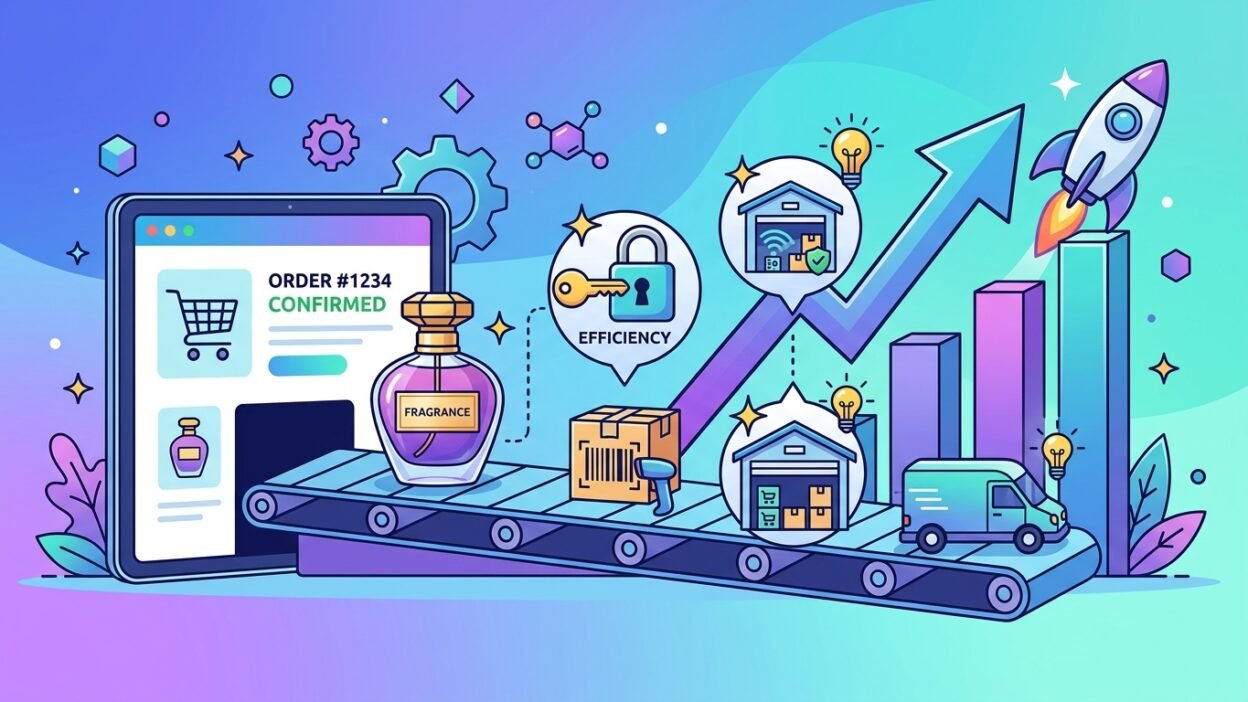
Outsourcing your order processing to a dedicated partner that handles perfume 3PL fulfilment takes the operational burden off your shoulders. A trained team picks, packs, and labels every package with correct UN 1266 markings while keeping your inventory safe in compliant storage facilities. This allows your brand to scale volume without spending capital on specialized warehouse infrastructure or staff certifications. You can focus on marketing and product development while logistics experts manage the red tape.
What Are the Biggest Red Flags When Sourcing Overseas Manufacturing?
The biggest red flags in overseas packaging and manufacturing sourcing include non-tested glass caps, thin outer cartons, missing material safety data sheets, and inconsistent bottle seals. From a USA-based brand perspective, importing bottle components, apparel, or finished formulations from overseas suppliers requires strict quality control audits before shipping bulk orders home.
Always demand a complete Safety Data Sheet (SDS) from your manufacturer verifying the alcohol percentage and flash point. Inspect sample bottles for thread accuracy on atomizer crimps; poorly fitted spray pumps leak when subjected to air pressure drops during transit. Ensure outer cartons meet international burst tests and carry clear batch tracking numbers. Working with suppliers who fail to provide certified testing reports puts your entire inventory at risk during import inspections. Don’t cut corners on packaging just to save a few pennies per unit.
How Can You Scale International Perfume Delivery Without Customs Delays?
You can scale international perfume delivery without customs delays by preparing accurate commercial invoices, using landed cost calculation tools, and applying proper hazmat documentation. Crossing international borders with Class 3 flammable liquids involves double scrutiny from both export control authorities and destination customs agencies.
Classify your products correctly under Harmonized System (HS) Code 3303.00 for perfumes and toilet waters. Include detailed commercial invoices stating the exact liquid volume per bottle, net weight, and total value. Using Delivered Duty Paid (DDP) shipping options prevents packages from sitting in foreign customs holds while waiting for customer tax payments. Clear documentation speeds up border clearance and keeps your global expansion on track.
Frequently Asked Questions (FAQs)
1. Can I ship perfume using standard postal mail?
You can ship perfume using domestic ground postal mail if you follow Limited Quantity surface rules. Air mail remains strictly off-limits for alcohol-based fragrances without a formal dangerous goods agreement.
2. What is UN 1266 in perfume shipping?
UN 1266 is the United Nations hazard identification number assigned specifically to perfumery products containing flammable solvents like ethyl alcohol. It alerts carriers to the exact nature of the liquid inside.
3. Why do shipping carriers charge additional fees for perfume?
Carriers charge hazmat surcharges to cover specialized handling, dedicated ground transport vehicles, regulatory audits, and safety equipment required for managing flammable liquids.
4. How does temperature affect fragrance bottles during shipping?
Extreme heat causes alcohol inside sealed bottles to expand, raising internal pressure and increasing the risk of cap leakage, scent degradation, or glass breakage.
Build a Compliant Fragrance Logistics System
Learning how to ship perfume successfully requires more than creating memorable scents and stunning bottle designs. Securing compliant dangerous goods packaging, mastering carrier regulations, and establishing reliable distribution channels protect your inventory and build customer trust. When you remove shipping friction, your business can expand confidently into new markets.
At Ship-Perfume, we specialize in safe, compliant, and reliable international fragrance shipping. Whether you need help managing hazmat regulations, custom dangerous goods packaging, or end-to-end 3PL fulfilment, our expert team is ready to support your growth. Contact Ship-Perfume today to get your products safely into your customers’ hands.