

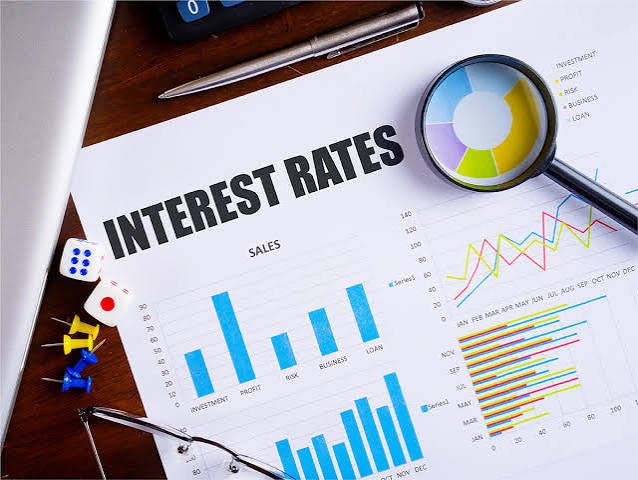
When small business owners seek commercial loans, understanding how lenders set interest rates can significantly impact their financing decisions. Commercial loan interest rates are a crucial factor that determines the cost of borrowing and can vary widely based on a variety of factors. Here’s an overview of how lenders typically determine these rates.
1. Creditworthiness of the Borrower
Lenders assess the creditworthiness of the small business owner by examining their credit score, credit history, and business financials. A higher credit score generally results in lower interest rates, while a lower score can lead to higher rates or even loan denial. Lenders seek to minimize risk, so a strong credit profile is essential for securing favorable terms.
2. Type of Loan
The type of commercial loan also plays a significant role in determining interest rates. Different loans, such as SBA loans, equipment financing, commercial loan interest rates or traditional bank loans, come with various rates based on their risk levels. For instance, SBA loans typically offer lower interest rates due to government backing, while unsecured loans may have higher rates due to greater risk for the lender.
3. Market Conditions
Interest rates are influenced by broader economic conditions. This includes the federal interest rate, inflation rates, and overall economic stability. When the economy is strong, rates tend to be higher due to increased demand for credit, whereas in sluggish economic times, rates might decrease as lenders try to stimulate borrowing.
4. Loan Amount and Term
The amount borrowed and the length of the loan term can also affect the interest rate. Larger loans or longer terms may attract higher rates due to the increased risk lenders take on. Conversely, smaller, shorter-term loans may come with lower rates since the repayment period is reduced, mitigating some risk for the lender.
5. Collateral
Secured loans—ones backed by collateral—generally come with lower interest rates compared to unsecured loans. When a lender has a tangible asset as security, the risk of loss decreases, allowing them to offer more competitive rates. On the other hand, unsecured loans may carry higher rates to compensate for the increased risk.
6. Economic Indicators
Lenders keep an eye on various economic indicators, such as the unemployment rate, consumer spending, and business growth trends. For instance, higher unemployment rates may signal economic instability, prompting lenders to be more conservative with their rates.
7. Lending Competition
The level of competition among lenders can drive interest rates down. In a competitive lending environment, financial institutions may lower their rates to attract potential borrowers. Small business owners can benefit by shopping around and comparing offers from different lenders, including financing options and information available through Bajaj Finance.
Conclusion
Understanding the factors that influence commercial loan interest rates can empower small business owners when seeking financing. By maintaining a healthy credit profile, being aware of market conditions, and understanding the terms of their loans, entrepreneurs can make informed decisions that best suit their financial needs. Whether addressing urgent cash flow needs or pursuing expansion, navigating loan interest rates is crucial for the success of any small business. Exploring financial information and lending resources from Bajaj Finance can also help business owners understand their available financing options.