

Pain in the lower right side of the abdomen, nausea, fever or loss of appetite may sometimes point to appendicitis. When the appendix becomes inflamed, timely medical assessment is important because the condition can worsen if treatment is delayed.
If surgery is advised, Appendix Surgery, or appendectomy, is performed to remove the inflamed appendix. The procedure may use a laparoscopic or open approach, depending on the patient’s condition. Understanding how the surgery is performed, what recovery involves and which risks may occur can help patients know what to expect during treatment..
What Is an Appendectomy?
An appendectomy is the surgical removal of the appendix, a small pouch attached to the large intestine. Doctors commonly recommend the procedure when the appendix becomes inflamed due to appendicitis. The procedure removes the affected appendix and allows recovery to begin. The patient receives appropriate anaesthesia before surgery. The surgeon then removes the appendix and closes the incisions using a suitable surgical method.
Why Is an Appendectomy Performed?
Appendicitis is the main reason for an appendectomy. Doctors assess symptoms and may use a physical examination, blood tests, urine tests or imaging to support the diagnosis.
Common symptoms that may lead to medical assessment include:
- Abdominal Pain: Pain may start in the centre of the abdomen before moving towards the lower right side.
- Nausea or Vomiting: Some people experience these symptoms with abdominal discomfort.
- Reduced Appetite: Appetite may decrease or change with appendicitis.
- High Temperature: Some patients may develop a high temperature.
Medical assessment helps doctors identify the cause of symptoms and determine appropriate treatment.
How Is an Appendectomy Performed?
An appendectomy is performed under anaesthesia. The surgical team prepares the patient and monitors important observations throughout the operation. Surgeons generally use a laparoscopic or open approach.
Laparoscopic Appendectomy
Laparoscopic surgery uses several small incisions in the abdomen. The surgeon inserts a laparoscope with a camera through one incision and surgical instruments through the others to view the area and remove the appendix. After removal, the surgeon removes the instruments and closes the incisions. This approach is commonly associated with a shorter hospital stay and faster recovery than open surgery.
Open Appendectomy
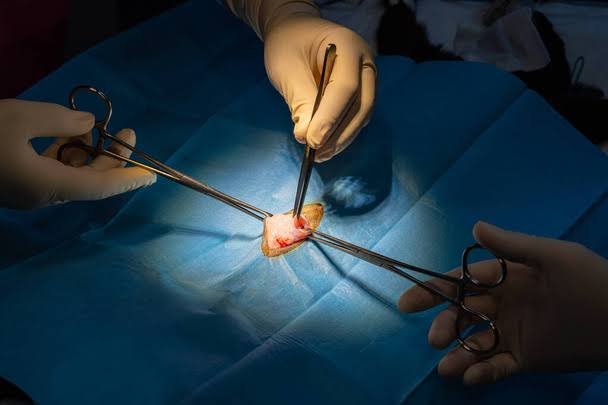
An open appendectomy involves making a larger incision in the lower right side of the abdomen. The surgeon accesses and removes the appendix directly before closing the surgical area. Doctors may choose this method based on the patient’s condition or findings during the procedure. The surgical team selects an approach based on the patient’s needs.
What Happens After an Appendectomy?
After the operation, the healthcare team monitors the patient during the initial recovery period. Eating, drinking, and movement can gradually resume according to individual progress.
Important aspects of post-operative care include:
- Wound Care: Following medical instructions can support incision healing.
- Gentle Movement: The healthcare team may encourage gradual movement during recovery.
- Food and Fluids: Patients can gradually resume eating and drinking as advised.
- Follow-Up Care: Appointments allow the healthcare team to review recovery.
Following personalised discharge instructions can support recovery after leaving hospital.
How Long Does Recovery Take After an Appendectomy?
Many people recover after an appendectomy within one to two weeks, although the time can vary according to individual circumstances. Patients can gradually return to everyday activities based on their progress and medical advice.
Recovery after appendix surgery can also depend on whether laparoscopic or open surgery was performed. Patients should follow their surgeon’s guidance about wound care, exercise, work, driving and other everyday activities during recovery.
What Are the Possible Risks of an Appendectomy?
Appendectomy is generally considered a safe procedure. As with other operations, possible complications can occur, and the healthcare team can explain individual risks before treatment.
Possible risks associated with the procedure include:
- Wound Infection: An infection can develop around the surgical incision.
- Bleeding: Bleeding can occur during or after the operation.
- Abscess: A collection of infected fluid can sometimes develop in the abdomen.
- Adhesions: Internal scar tissue can form after abdominal surgery and may occasionally affect the bowel.
Understanding these possibilities helps patients discuss individual risks with their treating surgeon.
Conclusion
Appendectomy is an established treatment for appendicitis. Surgeons may use a laparoscopic or open approach according to individual needs. Understanding the procedure and following guidance on wound care and physical activity can support recovery. Recovery varies between individuals, so personalised medical guidance remains important. Attending recommended follow-up appointments and discussing concerns with the healthcare team can help patients receive advice suited to their condition and recovery progress.