

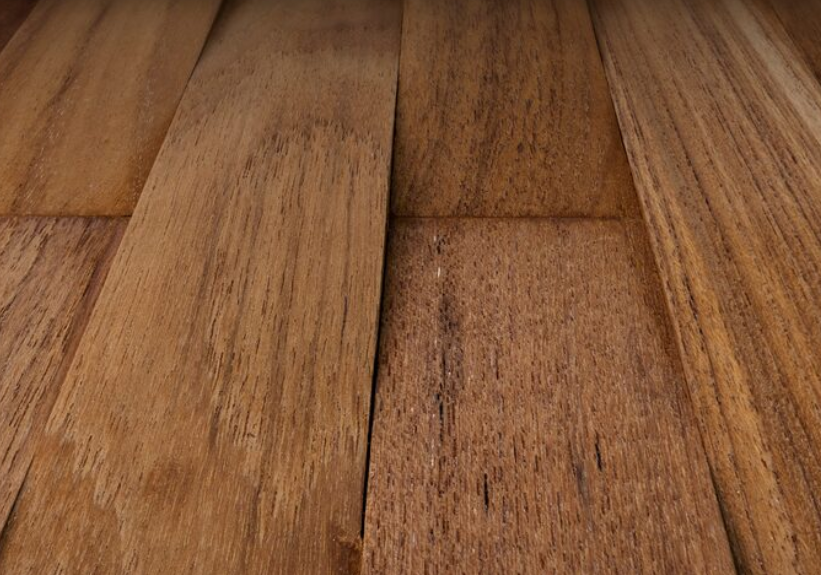
Hardwood flooring is one of the most attractive and timeless choices for residential and commercial interiors. Its natural appearance, long-lasting performance, and ability to complement different decorating styles make it a popular flooring option. However, choosing the right hardwood requires careful consideration of several factors, including wood species, color, finish, durability, installation requirements, and budget. Understanding how to select hardwood flooring can help homeowners make an informed decision that improves the beauty and functionality of their spaces.
Whether you are renovating an existing home, designing a new property, or upgrading a commercial interior, the right flooring can make a significant difference. Quality products from the hardwood flooring industry, including options associated with national hardwood flooring, offer a variety of styles and characteristics to suit different preferences and practical requirements.
1. Consider Your Lifestyle and Daily Needs
Before choosing a hardwood floor, think about how the space will be used. A busy household with children and pets has different flooring requirements than a quiet guest bedroom or formal dining room. Areas with frequent foot traffic need durable flooring that can withstand regular use without showing excessive scratches or wear.
Harder wood species are generally better suited to high-traffic spaces because they resist dents more effectively. If your household includes pets, consider finishes that help minimize the appearance of scratches. Families should also think about how easily the floor can be cleaned and maintained.
Understanding your lifestyle is an important first step in learning how to select hardwood flooring that provides lasting value.
2. Choose the Right Wood Species
Hardwood flooring comes in several wood species, each offering a unique appearance, texture, and level of hardness. Oak is one of the most popular choices because of its durability, attractive grain patterns, and versatility. It works well with traditional, contemporary, rustic, and modern interiors.
Maple is another excellent option, featuring a smoother grain pattern and a relatively light appearance. Walnut offers rich brown tones and elegant natural variation, making it suitable for sophisticated interiors. Hickory is known for its distinctive grain and impressive hardness, making it an attractive option for busy households.
Each species has its own characteristics, so compare samples before making a final selection. Consider how the wood’s natural color and grain will complement your furniture, wall colors, cabinets, and overall interior design.
3. Understand Solid and Engineered Hardwood
Another important consideration is deciding between solid and engineered hardwood flooring. Both options provide the natural beauty of real wood, but their construction and installation requirements differ.
Solid hardwood is manufactured from a single piece of natural wood. It can often be sanded and refinished multiple times, making it a long-term flooring investment. It is particularly suitable for rooms where moisture and humidity levels remain relatively stable.
Engineered hardwood consists of a real wood surface layer attached to multiple supporting layers. This construction can provide improved dimensional stability when humidity levels fluctuate. It is often suitable for locations where solid hardwood may be less practical, depending on the product specifications and installation conditions.
When researching how to select hardwood flooring, evaluate the advantages of both constructions and choose the option that best matches your home’s environment.
4. Select a Color That Complements Your Interior
Flooring color has a major influence on the appearance of an entire room. Light hardwood shades can make smaller spaces feel more open and create a bright, welcoming atmosphere. Natural oak, light maple, and pale wood finishes work especially well in contemporary and minimalist interiors.
Medium brown tones provide a balanced appearance and coordinate easily with many furniture styles. Dark hardwood flooring creates a dramatic and elegant atmosphere, particularly when paired with lighter walls and decorative elements.
You should also consider how much natural light enters the room. Dark flooring may create a cozy appearance in a bright space, while lighter shades can help rooms with limited natural light feel more spacious.
Always examine flooring samples under the lighting conditions of your home before making a purchase.
5. Pay Attention to Wood Grain and Texture
Wood grain and surface texture contribute significantly to hardwood flooring’s overall character. Some homeowners prefer smooth surfaces with subtle grain patterns, while others enjoy natural variations, knots, and distinctive markings.
Traditional interiors often benefit from classic wood grain patterns and warm finishes. Modern spaces may look attractive with cleaner grain patterns and wider planks. Textured finishes can create a rustic appearance while helping certain everyday marks blend into the natural character of the flooring.
Popular surface treatments include smooth finishes, wire-brushed textures, hand-scraped appearances, and distressed styles. Your selection should complement the overall design theme rather than compete with other interior features.
6. Evaluate Plank Width and Length
The dimensions of hardwood planks can influence how a room looks and feels. Narrow planks traditionally create a classic appearance, while wider planks can make a room feel more open and showcase more of the wood’s natural grain.
Longer boards may create a more continuous visual effect, particularly in large living areas and open floor plans. However, plank dimensions should also be considered in relation to the room’s size, layout, and installation requirements.
Wide-plank flooring is especially popular in modern farmhouse, contemporary, and transitional interiors. Choosing the right dimensions helps create a balanced and attractive result.
7. Compare Finishes and Protective Coatings
A hardwood floor’s finish helps protect its surface while influencing its final appearance. Different finishes provide different levels of sheen, texture, and maintenance requirements.
Matte finishes offer a natural, understated appearance. Satin finishes provide a subtle sheen that works well in many interior styles. Glossy finishes create a polished appearance but may make dust, scratches, and surface imperfections more noticeable.
Protective coatings can help reduce everyday wear, although no finish makes hardwood completely scratch-proof or damage-proof. Ask about the recommended cleaning products and maintenance procedures before purchasing.
8. Establish a Realistic Budget
Budget planning is another essential part of selecting hardwood flooring. The total cost includes more than the price of the flooring material. Installation, subfloor preparation, underlayment where required, transitions, trim, and finishing materials may also affect the final investment.
Higher-quality materials may have a greater initial cost but can offer attractive long-term value through durability and refinishing potential. On the other hand, selecting a less expensive product without considering its performance may result in additional maintenance or replacement expenses.
Request detailed estimates and compare products based on construction, quality, warranty coverage, and installation requirements rather than price alone.
9. Choose Professional Installation
Even excellent hardwood flooring may not perform properly if it is installed incorrectly. Proper installation begins with evaluating the subfloor, checking moisture conditions, and allowing the flooring to acclimate when required by the manufacturer’s instructions.
Professional installers understand different installation methods, expansion requirements, board placement, and finishing techniques. They can also identify potential problems before installation begins.
Following manufacturer guidelines is particularly important because incorrect installation may affect the floor’s appearance, performance, and warranty coverage.
10. Explore Quality and Variety Through National Hardwood Flooring
Finding the right flooring involves comparing different wood species, finishes, construction methods, and design options. Exploring the variety available through national hardwood flooring can help homeowners understand the choices available for different interior projects.
Quality should always remain a priority when evaluating flooring products. Look for consistent manufacturing standards, clear product specifications, reliable warranties, and information about recommended installation and maintenance.
It is also helpful to request physical samples whenever possible. Seeing and touching the actual material makes it easier to evaluate color, texture, grain patterns, and overall appearance. Comparing several options can help you identify a product that meets both your design expectations and practical requirements.
11. Think About Long-Term Maintenance
Hardwood flooring can remain attractive for many years when properly maintained. Regular sweeping or vacuuming with an appropriate attachment helps remove dirt and debris that could scratch the surface. Clean spills promptly and use cleaning products specifically recommended for the flooring finish.
Avoid excessive water when cleaning hardwood because moisture can damage the material. Furniture pads can help prevent scratches, while rugs in high-traffic areas can provide additional protection.
Maintaining consistent indoor humidity levels can also help minimize excessive expansion and contraction. Following the manufacturer’s care instructions is the best way to preserve the floor’s appearance.
Conclusion
Choosing hardwood flooring is an important investment that affects the comfort, appearance, and long-term value of your property. By evaluating wood species, construction, color, texture, plank dimensions, finishes, installation requirements, and maintenance needs, homeowners can make confident flooring decisions.
Understanding how to select hardwood flooring makes it easier to identify products that complement your lifestyle and interior design preferences. Taking time to compare quality options, including those available through national hardwood flooring, can help you find a beautiful and practical solution. With careful planning and proper installation, hardwood flooring can provide timeless character, lasting performance, and natural warmth to your space for years to come.