

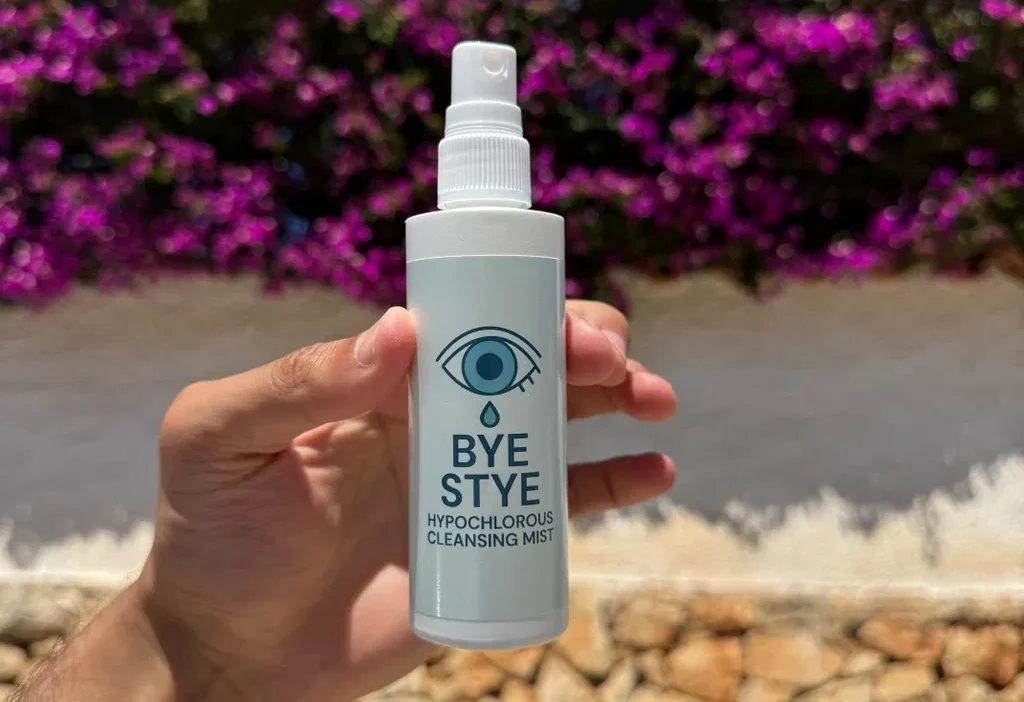
Eye hygiene is an important part of keeping children comfortable, especially when dust, pollen, and everyday environmental irritants affect the delicate skin around the eyes. Hypochlorous acid (HOCl) eye spray has gained attention as a gentle option for eyelid cleansing and daily eye-area care. However, safety depends on the product’s formulation, intended use, and age recommendations. Parents considering a family pack hypochlorous eye spray should understand how the solution works, which precautions matter, and when professional advice is necessary. With the right product and proper application, hypochlorous eye spray may support eyelid hygiene as part of a suitable children’s eye-care routine.
What Is Hypochlorous Acid Eye Spray?
Hypochlorous acid is a substance naturally produced by white blood cells as part of the body’s immune response. In specially formulated skincare and eye-care products, stabilized hypochlorous acid is used to help cleanse the skin and remove everyday impurities. Eye-area sprays are generally designed for cleaning the eyelids and surrounding skin, although some products have different instructions and intended uses. A product labeled for eyelid hygiene should not automatically be considered suitable for direct application into the eyes. Parents should always check the packaging to confirm the intended application, ingredients, and age suitability before using any hypochlorous acid spray on a child.
Is Hypochlorous Eye Spray Safe for Children?
Hypochlorous eye spray can be suitable for children when the specific product is formulated for the intended eye-area use and the manufacturer’s age guidelines are followed. However, safety cannot be assumed for every formulation, particularly when the product is intended only for adult use or external skin cleansing. Children’s eyes and surrounding skin can be sensitive, making proper product selection essential. A pediatrician, optometrist, or ophthalmologist can help determine whether hypochlorous acid is appropriate for a child’s needs, especially for infants, children with existing eye conditions, or those experiencing persistent irritation. Product-specific guidance is more reliable than assuming that all hypochlorous sprays are interchangeable.
Potential Benefits of Hypochlorous Eye Spray for Children
A properly formulated eyelid spray may help maintain cleanliness around the eyes without requiring harsh cleansing products. Its potential benefits depend on the formulation and the reason for use.
- Gentle eyelid cleansing: Products intended for eyelid hygiene can help remove dirt, oil, and everyday debris from the surrounding skin.
- Support for eyelid hygiene: Regular cleansing may be useful for children who experience eyelid buildup, when recommended by an eye-care professional.
- Convenient application: Spray formats can make eyelid cleansing easier than using products that require complicated preparation.
- Simple hygiene routines: A suitable product may fit into a daily care routine when used according to the label.
These benefits relate primarily to appropriate eyelid cleansing. Hypochlorous acid spray should not be considered a guaranteed treatment for eye infections, allergies, or other medical conditions.
Can Hypochlorous Eye Spray Help With Red or Irritated Eyes?
Redness and irritation can occur for several reasons, including allergies, dry eyes, environmental exposure, blocked eyelid glands, and infections. Hypochlorous acid products designed for eyelid hygiene may help clean the surrounding area, but this does not mean that every cause of redness can be treated with a spray. A product applied to the eyelids may not address a condition affecting the eye itself. Persistent redness, pain, swelling, discharge, light sensitivity, or changes in vision require appropriate medical assessment. If a child develops sudden or severe eye symptoms, prompt medical attention is important rather than relying on an eye-hygiene product alone.
How to Use Hypochlorous Eye Spray Safely
Safe application begins with reading the product instructions carefully. A children’s eye-care routine should remain simple and gentle, without unnecessary rubbing or exposure to unsuitable ingredients.
- Check the label: Confirm that the product is intended for eyelid hygiene and is suitable for the child’s age.
- Clean the hands: Wash and dry the hands thoroughly before handling the bottle or touching the area around the eyes.
- Follow the application directions: Apply the spray only as instructed. Do not spray directly into the eyes unless the product specifically permits ocular application.
- Avoid contamination: Keep the nozzle clean and prevent contact with the eye, fingers, or other surfaces.
- Observe the skin: Stop using the product if irritation, redness, swelling, or discomfort develops.
- Store it properly: Follow the storage instructions and keep the bottle away from young children’s reach.
Adult supervision is particularly important for younger children. If the instructions are unclear or the child has an existing eye condition, professional guidance should come before use.
What Should Parents Check Before Buying a Family Pack Hypochlorous Eye Spray?
Buying a family pack hypochlorous eye spray may be convenient for households that regularly use eyelid hygiene products. However, a larger pack size does not automatically make a product safer, more effective, or appropriate for every family member. Before purchasing, examine the product details and consider the following factors.
- Intended use: Confirm whether the spray is designed for eyelids, surrounding skin, or direct ocular use.
- Age recommendations: Check whether the manufacturer specifically permits use for children and whether any minimum-age restrictions apply.
- Ingredient information: Review the complete ingredient list and avoid products with unclear formulations.
- Packaging and hygiene: Individual bottles may be helpful for maintaining personal hygiene and reducing the sharing of applicators.
- Expiry date: Check the expiration date and any instructions about how long the product remains suitable after opening.
- Storage requirements: Make sure the household can follow the recommended storage conditions.
- Manufacturer guidance: Look for clear usage instructions, contact details, and product-specific safety information.
A family-size option is most useful when every intended user has a suitable product and the packaging provides enough information for safe use.
Possible Side Effects and Important Precautions
Even products marketed as gentle can cause discomfort in certain circumstances. Potential problems may include temporary stinging, irritation, redness, or sensitivity, particularly if a product is unsuitable for the eye area or is used incorrectly. The risk depends on the formulation, concentration, application method, and individual sensitivity. Hypochlorous acid products should not be mixed with other eye-care solutions unless a healthcare professional confirms that the combination is appropriate. Sharing bottles can also increase the risk of contamination. If a child experiences a reaction, discontinue use and seek medical advice when symptoms persist or worsen. Severe pain, vision changes, or significant swelling require urgent assessment.
When Should a Child See an Eye-Care Professional?
Eye-hygiene products are not substitutes for medical evaluation when symptoms suggest an underlying condition. A healthcare professional should assess recurring irritation, persistent discharge, crusting, eyelid swelling, or redness that does not improve. Prompt attention is also necessary if a child develops eye pain, marked sensitivity to light, or blurred vision. Sudden vision changes, severe pain, or a chemical exposure involving the eye require urgent medical care. Parents should avoid starting a new eye-care product as the sole response to unexplained symptoms. A suitable treatment plan depends on the child’s age, symptoms, medical history, and the underlying cause of the problem.
Building a Gentle Eye-Care Routine for the Whole Family
Healthy eye-area habits begin with basic hygiene rather than an extensive collection of products. Children benefit from clean hands, personal towels, and avoiding unnecessary rubbing of the eyes. Eyelids should be cleaned gently with an appropriate product when needed, following professional recommendations for recurring symptoms. Contact lenses, if applicable to an older child, require a separate care routine based on professional advice and the lens manufacturer’s instructions. A family pack hypochlorous eye spray may offer convenience when a suitable formulation is available for the intended users, but product selection should always come before pack size or price. Simple habits and appropriate medical guidance remain central to good eye care.
Discover Thoughtful Eye-Care Solutions With the bye co.
The bye co. focuses on making everyday eye-area hygiene easier to understand through products designed around practical care needs. When considering a hypochlorous acid eye spray for children or other family members, clear product information is essential. Details about intended use, ingredients, age suitability, application, and storage help households make more informed decisions. The bye co. can be a useful starting point for exploring eye-care options and understanding the role of gentle cleansing in a daily routine. Before purchasing a family pack hypochlorous eye spray, review the product’s official guidance and consult an eye-care professional whenever a child’s age, symptoms, or medical history raises safety concerns.