

Knee pain and stiffness can make everyday activities, such as walking or climbing stairs, increasingly difficult. For some people, surgery can improve joint function and make familiar routines easier again. Knowing when to seek an orthopaedic assessment is an important first step. It also helps to understand what the operation involves and how recovery usually progresses.
When Should You Consider Total Knee Replacement?
An orthopaedic surgeon may bring up the prospect of a TKR knee replacement if the joint damage is having a serious impact on your day-to-day life. This is typically considered only after other forms of treatment have failed to provide any real benefit. The decision will be based on your symptoms and what the examination and imaging have revealed.
Signs that may prompt a specialist assessment include:
- Persistent Knee Pain: Pain while walking or standing makes regular movement increasingly difficult.
- Difficulty Using Stairs: Climbing steps takes extra effort because of pain or stiffness.
- Limited Knee Movement: You find it harder to bend or straighten the knee during daily tasks.
- Disturbed Sleep: Knee pain regularly wakes you or makes it hard to rest at night.
- Visible Joint Damage: An examination and X-rays show damage that may benefit from surgery.
A specialist can explain whether the expected benefits of surgery suit your health and mobility needs.
What Happens During the Operation?
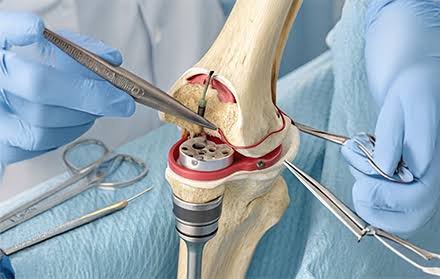
During a total knee replacement, the surgeon removes damaged cartilage and a small amount of the bone beneath it. Artificial components, usually made of metal and medical-grade plastic, are then fitted to the prepared surfaces. These form a new joint surface that allows smoother movement.
Some hospitals also use robotic assistance. Hospitals such as BLK-Max Super Speciality Hospital use a robotic system that helps surgeons plan the operation around your knee.
The operation is performed under general or regional anaesthesia, depending on your needs. Regional anaesthesia numbs the lower body, while you remain awake or lightly sedated. Afterwards, the hospital team monitors your recovery and encourages early movement when appropriate. You will also receive guidance on walking and caring for the operated knee.
What Does the Recovery Timeline Look Like?
Recovery takes place in stages. Many people begin standing and walking with support soon after surgery. Strength and flexibility then improve over the following weeks and months.
| Recovery Stage | What You May Experience |
| First Few Days | Standing and short walks with support, guided by your care team. |
| Weeks 2–6 | Growing confidence in walking and a gradual return to light daily tasks. |
| Weeks 6–12 | Improving strength and greater independence with familiar activities. |
| Months 3–12 | Continued gains in comfort and endurance as healing progresses. |
These periods are approximate. Your surgeon and physiotherapist will advise when you can return to activities such as work or driving.
How Does Physiotherapy Support Healing?
Physiotherapy helps you rebuild strength and improve movement after surgery. A physiotherapist assesses your progress and introduces exercises for bending and straightening the knee. These exercises also improve balance and help you walk more comfortably.
As healing continues, rehabilitation may include practising stairs and walking longer distances. Exercises to strengthen the muscles around the joint are added gradually. Regular sessions also give you a chance to discuss concerns and review your goals.
What Can Affect Your Recovery?
Recovery varies from person to person. Factors that may influence your progress include:
- General Health: Existing health conditions and overall fitness can affect how well you heal.
- Strength Before Surgery: Good muscle strength and flexibility before the operation can make early rehabilitation easier.
- Swelling: Swelling settles at different rates and may come and go for several months.
- Home Support: Practical help with daily routines can make the first few weeks more manageable.
- Follow-Up Reviews: Regular check-ups help your care team assess healing and adjust your activity.
Discussing these factors with your care team can help you prepare for recovery.
Conclusion
TKR knee replacement may be worth considering when joint damage limits your comfort and mobility. An orthopaedic assessment can show whether surgery is suitable and what recovery involves. After the operation, gradual activity and regular physiotherapy support steady progress. With realistic expectations and the right guidance, you can approach treatment with confidence.